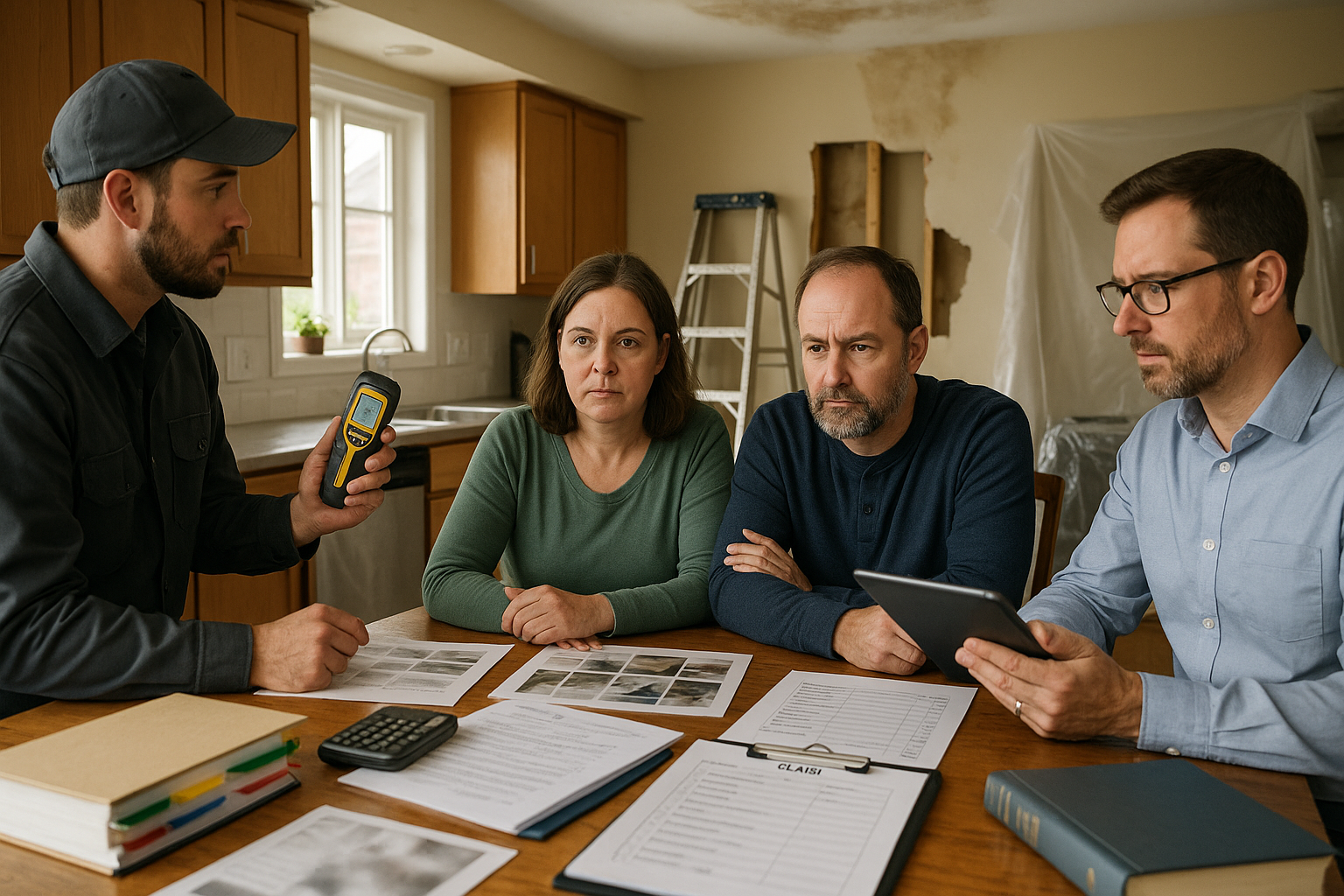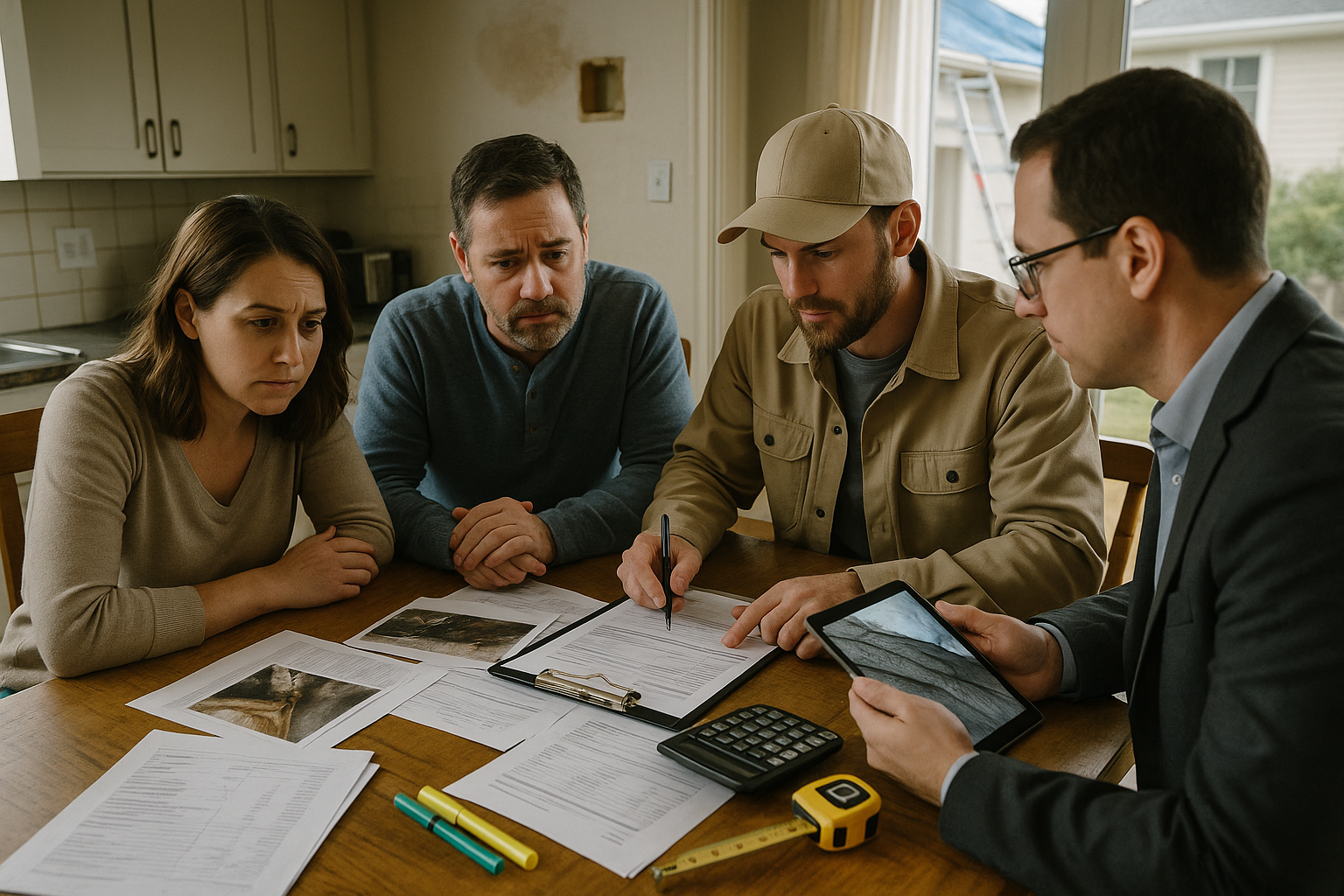

Why Your Contractor’s Number Is Higher—and What That Means for Your Insurance Claim
It is a common and frustrating moment for homeowners: your contractor’s estimate to repair storm, water, or fire damage is significantly higher than the insurance company’s estimate. At first glance, it feels like someone must be wrong. In reality, the two numbers are built for different purposes, with different rules, timelines, and assumptions. Understanding those differences can help you decide what to do next—and whether your claim may have been underpaid.
Two Estimates, Two Purposes
Insurance adjusters typically create estimates designed to reflect what they believe is the allowable cost to return the property to its pre-loss condition under the policy. Those estimates often use standardized pricing databases and default production rates. Contractors, on the other hand, price the actual work they must perform in your market today, including labor availability, supervision, logistics, safety, and job-specific challenges.
That mismatch explains a lot of the gap. Insurance estimates aim for a theoretical “average” price; contractors must deliver a real job at a real address on a real schedule, with real crews and suppliers. If you want a deeper dive into the differences in scope, measurement, and pricing logic, see this resource: Insurance Estimate vs Contractor Estimate.
Where Insurance Estimates Often Come Up Short
Insurance carriers rely on guidelines and standardized line items. While that can speed up claim handling, it can leave out job-specific costs homeowners routinely face. Common areas where gaps show up include:
- Incomplete scope: Missing related work such as detaching and resetting fixtures, disconnecting/reconnecting utilities, or painting adjacent areas for a consistent finish.
- Understated quantities: Roof squares, siding squares, flooring square footage, trim linear feet, or drywall sheets measured too low; waste factors not applied or set too conservatively.
- Code-required upgrades: Items like GFCI outlets, drip edge, ice and water shield, underlayment changes, nailing patterns, smoke detector updates, or ventilation that are needed to pass inspection but aren’t captured by “like kind and quality.”
- Access and setup: Protection of landscaping, scaffolding, lifts, barricades, temporary power, dust containment, negative air, and cleanup—especially in multi-story and tight-access homes.
- Specialty trades and supervision: Project management, site supervision, licensed electricians/plumbers for reconnections, and specialty subs for stucco, tile, or high-end finishes.
- Minimum charges and mobilization: Real contractors have minimum service fees and crew mobilization costs that standard price lists don’t always reflect.
- Overhead and profit (O&P): Carriers sometimes omit general contractor O&P, even on multi-trade jobs where coordination is essential.
- Material grade and lead times: The actual brand, profile, and finish needed to match existing materials can cost more or require custom orders, especially after widespread storms or supply disruptions.
How Contractors Build Real-World Pricing
Contractors estimate with delivery in mind. Their numbers often include:
- Current local labor rates based on crew availability and project duration.
- Supplier quotes that reflect today’s prices and delivery timelines.
- General conditions such as dumpsters, portable restrooms, site fencing, and daily cleanup.
- Job sequencing and multiple mobilizations when materials arrive in stages or weather affects schedule.
- Warranty expectations and callbacks—work must be done to a standard they can stand behind.
A contractor’s estimate is not just a list of items—it’s a plan to execute the project responsibly. When your contractor’s price is higher, it often captures legitimate project requirements that a standardized insurance estimate did not count.
Red Flags That Suggest an Underpaid Claim
While every loss is unique, these signs commonly point to a low settlement:
- The estimate reads like a “patch job,” ignoring matching or continuous finishes (for example, only one wall painted after a ceiling repair).
- Roofing or siding waste set at unusually low percentages despite complex layouts, hips/valleys, or steep pitches.
- Code items are labeled “not necessary” without documentation from your local building authority or current code references.
- No allowance for general contractor O&P on multi-trade projects.
- Line items for protection, access, and cleanup are missing or minimal for a complex jobsite.
- Measurements don’t match reality—rooms, roofs, or runs of trim appear smaller on paper than in your home.
- “Homeowner to perform” notes shifting costs to you for tasks that should be included in professional restoration.
How to Compare Estimates Without Getting Overwhelmed
You don’t need to be a construction expert to spot big differences. Start with a side-by-side review:
- Scope first: List the rooms or exterior areas and the tasks in each. If the contractor’s list is longer, find out why. Many “extra” tasks are prerequisites to doing the job correctly.
- Quantities next: Compare measurements and counts for flooring, drywall, roofing, siding, trim, plumbing fixtures, and electrical devices. Significant quantity gaps can create big price swings.
- Quality and matching: Confirm grade, profile, and finish selections. Material mismatches force rework or continuous replacement to achieve a consistent look.
- Access and protection: Look for surface protection, furniture movement, containment, and cleanup line items. If they’re absent from the insurance estimate, that’s a red flag.
- Permits and code: Ask your contractor what permits are required and what code upgrades they expect. Then check whether those appear in the insurance estimate.
- Project management and O&P: Multi-trade jobs with scheduling complexity typically justify general contractor O&P. If omitted, ask why.
Bridging the Gap: Practical Steps You Can Take
If you believe the carrier’s number is low compared to your contractor’s, you have options that don’t require a confrontation:
- Request a reinspection: Invite the adjuster to meet the contractor on site. Joint walkthroughs often resolve scope and measurement differences quickly.
- Provide documentation: Share photos, measurements, supplier quotes, and any building department guidance on code requirements.
- Ask for line-item notes: Clear notes in the estimate can justify necessary tasks like detaching and resetting fixtures, substrate repairs, or additional coats of paint for coverage.
- Clarify depreciation: Understand what’s recoverable after work is completed and what isn’t, so you can plan cash flow.
- Get a detailed contractor estimate: The more itemized the contractor’s scope, the easier it is to align with insurance line items.
If the gap remains, consider a professional review. A structured analysis can determine whether the carrier’s estimate reflects the full, necessary scope at fair local pricing.
When Higher Contractor Pricing Is Reasonable
Not every higher number is a sign of underpayment. Sometimes your contractor legitimately faces:
- Limited access or specialty equipment requirements.
- Historic or custom materials that are difficult to source or install.
- Tight project timelines, phased work, or off-hours labor to accommodate occupancy.
- Regional labor shortages after major weather events.
The key is documentation. When the contractor can clearly explain the why behind each line item, it strengthens your position with the carrier.
FAQ
Why does my insurance estimate use different prices than my contractor?
Carriers rely on standardized pricing systems that reflect average conditions. Contractors price your specific job with current local labor, supplier quotes, and site conditions. Those realities rarely match perfectly.
Can I choose any contractor, or do I have to use the one the insurance company suggests?
Policies typically allow you to choose your own reputable, licensed contractor. Be sure your contractor provides a detailed, itemized scope that aligns with restoring your home to pre-loss condition.
What if the adjuster says certain tasks aren’t covered?
Coverage decisions are based on your policy and the cause of loss. Even when coverage is limited, the cost to perform covered repairs correctly may include related tasks. Ask for written explanations and provide documentation from your contractor or building officials.
Is general contractor overhead and profit always included?
Not always. Some carriers add O&P when multiple trades and coordination are required. If your project uses several trades or has complexity, ask for O&P to be considered and document the coordination needed.
How do I handle code upgrades?
Many policies include some form of ordinance or law coverage for code-required upgrades. Ask your contractor to list expected code items and your local building department’s requirements, then share that with the carrier for review.
Get Confidence Before You Commit
You don’t have to guess whether the carrier’s estimate will truly cover the work. A methodical review can highlight missing scope, low quantities, and fair allowances for access, code, and coordination. If you want help bridging the difference between estimates and confirming you’re on track for a complete repair, start here: Check my claim.
Getting your home back to normal should not depend on guesswork. With a clear comparison, strong documentation, and open communication, you can close the gap between the insurance estimate and your contractor’s real-world cost—and move forward with confidence.