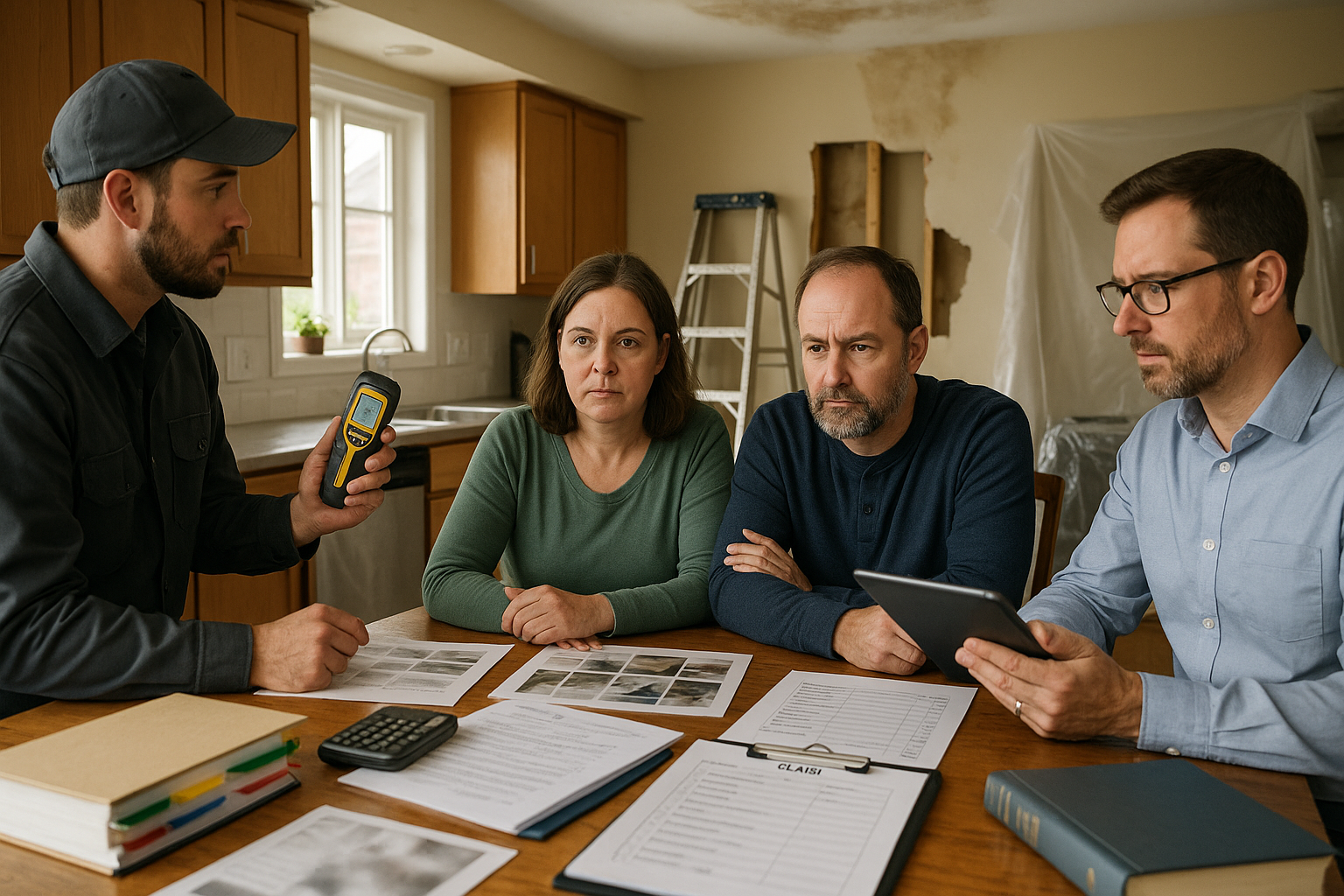

Was Your Insurance Claim Underpaid? Here’s How to Push Back With Confidence
If your home insurance payout feels too small to properly fix the damage, you are not alone. Many homeowners receive initial estimates that miss necessary work, undercount materials, or overlook code-required upgrades. The good news: you can challenge the numbers using clear documentation and a practical plan. This article walks you through how to review your estimate, spot common shortfalls, and present a strong, well-organized dispute that can lead to a fairer settlement.
Why Insurance Estimates Often Come In Low
Most underpayments aren’t intentional—they’re the result of fast inspections, incomplete scoping, or differences in pricing tools. Here are frequent reasons the first offer misses the mark:
- Scope gaps: Entire tasks left out, like insulation replacement after a leak, roof decking repairs, or repainting adjacent walls for a proper color match.
- Code upgrades: Missing items required by current building codes, such as underlayment, ice and water shield, nailing patterns, or GFCI/AFCI electrical updates when walls are opened.
- Incorrect measurements: Underestimated square footage, roof pitch or waste factors, number of paint coats, or material overage for tile and flooring.
- Material grade mismatches: Pricing for builder-grade materials when the home has higher-end finishes or specific manufacturer systems.
- Labor rates: Using off-market or outdated labor rates that don’t reflect local contractor pricing or current demand after a storm event.
- Missing overhead and profit (O&P): Not accounting for the general contractor’s coordination costs on multi-trade projects.
- Exclusions and sublimits: Applying limitations to items that should be covered under the main dwelling or other structures coverage.
- Depreciation errors: Excessive or incorrect depreciation, especially on items that should be fully replaced or where recoverable depreciation should be released after proof of completion.
- Mitigation and temporary repairs: Overlooking emergency services like water extraction, dehumidification, tarping, or board-up invoices.
- Fees and permits: Missing permit costs, disposal, hauling, equipment rental, or special inspections.
A Quick Self‑Audit of Your Estimate
You don’t need to be a construction expert to spot many of the most common issues. Use this simple review to identify red flags:
- Walk the damage with photos in hand: Compare each line item to a current set of photos or videos. If you see work that isn’t listed, note it.
- Room-by-room or elevation-by-elevation: Your estimate should follow the actual areas impacted. Look for missing rooms, ceilings, closets, soffits, and trim.
- Check measurements and waste: For roofs, siding, and flooring, confirm square footage and typical waste factors. For paint, confirm number of coats and prep work.
- Match materials: Ensure the estimate reflects your actual product type, thickness, brand requirements, and finish level.
- Compare to a contractor bid: A detailed, line-item contractor estimate is one of the best benchmarks. Differences of 15–30% or more deserve a close look.
- Look for code references: If a contractor says something is required by code, ask them to cite the specific section and include it in writing.
- Review depreciation lines: Identify which items are recoverable after completion and whether the initial depreciation looks excessive.
- Scan for soft costs: Permits, debris removal, equipment rental, and supervision are often missed but necessary.
Documentation That Makes Your Case Stronger
Successful disputes rely on clear, organized proof. Gather and label documents so an adjuster can quickly verify your points:
- Dated photos and videos showing the full scope and progression of damage.
- Independent contractor estimates with line items, measurements, material specs, and labor rates.
- Invoices and receipts for mitigation, temporary repairs, and materials already purchased.
- Manufacturer specifications or system requirements (for roofs, flooring, windows, and mechanicals).
- Building code citations from your local jurisdiction or building department guidance.
- Moisture readings, inspection reports, and test results that support replacement instead of patching.
- Permit applications, approvals, and final inspection notes.
- Weather data or incident reports for storm-related claims.
How to Organize a Persuasive Dispute Package
Once you’ve identified specific gaps, present your case in a clear, professional format. A concise package helps the adjuster process your request faster.
- Lead with a short cover letter: State your claim number, property address, and a brief summary of what’s missing or undervalued.
- Use a variance table: Side-by-side, list the insurer’s line item, your corrected line item, the difference, and a one-sentence reason.
- Attach supporting exhibits: Number each exhibit (photos, contractor estimate pages, code citations) and reference those numbers in your variance table.
- Request a specific action: Ask for a reinspection, a supplement for identified items, or an updated estimate by a reasonable date.
- Be factual and courteous: Avoid emotional language; let the documentation do the work.
- Submit through official channels: Upload via the claim portal or email, and keep a record of delivery and read receipts.
Follow-Ups and Timelines That Keep Things Moving
Persistence and organization often make the difference in a successful outcome.
- Set calendar reminders: Follow up politely every 7–10 days if you haven’t received an update.
- Keep a communication log: Note dates, names, and summaries of calls or emails. This helps prevent miscommunication.
- Ask for specifics: If something is denied, request the exact reason and what proof would change the outcome.
- Confirm revised documents: When updates are made, request the new estimate, summary of loss, and payment breakdown.
- Track recoverable depreciation: If your policy includes it, ask what proof is needed to release those funds after repairs.
When to Bring in Extra Help
You can do a lot on your own, but certain situations benefit from professional input:
- Complex or hidden damage: Water, roofing, structural, or HVAC issues may need expert reports or invasive testing.
- Wide pricing gaps: If your contractor’s detailed estimate is significantly higher than the insurer’s, a second independent estimate can validate costs.
- Multi-trade projects: A general contractor can coordinate trades and provide a cohesive scope including overhead and profit.
- Specialty systems: Manufacturer-certified installers can document required components and methods that impact pricing.
For a step-by-step walkthrough of the process and additional checklists, explore our in-depth insurance claim dispute guide.
What Happens After You Push Back
Expect one or more of the following after you submit your dispute package:
- Reinspection: An adjuster or third-party vendor may revisit the property to verify scope and codes.
- Supplemental estimate: The insurer issues an updated estimate reflecting added line items or corrections.
- Partial approvals: Some items are accepted while others are denied with stated reasons.
- Requests for more documentation: Provide the specific measurements, photos, or code references they ask for.
- Payment and depreciation updates: Additional payments may be issued, with instructions on releasing any recoverable depreciation after work is done.
Throughout, keep updating your file with new bids, permits, photos of progress, and receipts. Clear records make it easier to finalize any remaining balances.
Frequently Asked Questions
- How can I tell if my claim was underpaid?
Compare the insurer’s estimate to a detailed contractor bid. Red flags include missing code-required items, low labor rates, insufficient measurements, and a difference of 15–30% or more without clear justification. - Will disputing slow down my repairs?
You can usually proceed with necessary temporary repairs and mitigation. Keep thorough receipts and photos. Coordinate with the insurer so they can document conditions before permanent work begins when possible. - Do I need multiple contractor estimates?
One strong, line-item estimate is often enough, but a second can help if the first varies widely from the insurer’s pricing or scope. - If I cash the check, am I stuck with the amount?
Many policies allow supplemental payments when additional covered damage is found or pricing is corrected. Ask your insurer how supplements work on your claim and what documentation they require. - How long do I have to dispute?
Timelines can vary. Review your policy and any deadlines stated in your claim correspondence, and start your review as soon as possible.
Turn Your Estimate Review Into Action
If you’re unsure where to begin or want a fast second look, you can get an easy, homeowner-friendly review of your numbers. Submit your details and see where you might recover more on your settlement: Check my claim now.
With clear documentation, organized follow-ups, and the right support, many homeowners successfully secure the funds needed to restore their property. Start by auditing your estimate, gathering proof, and presenting a focused, fact-based request for the corrections you need.