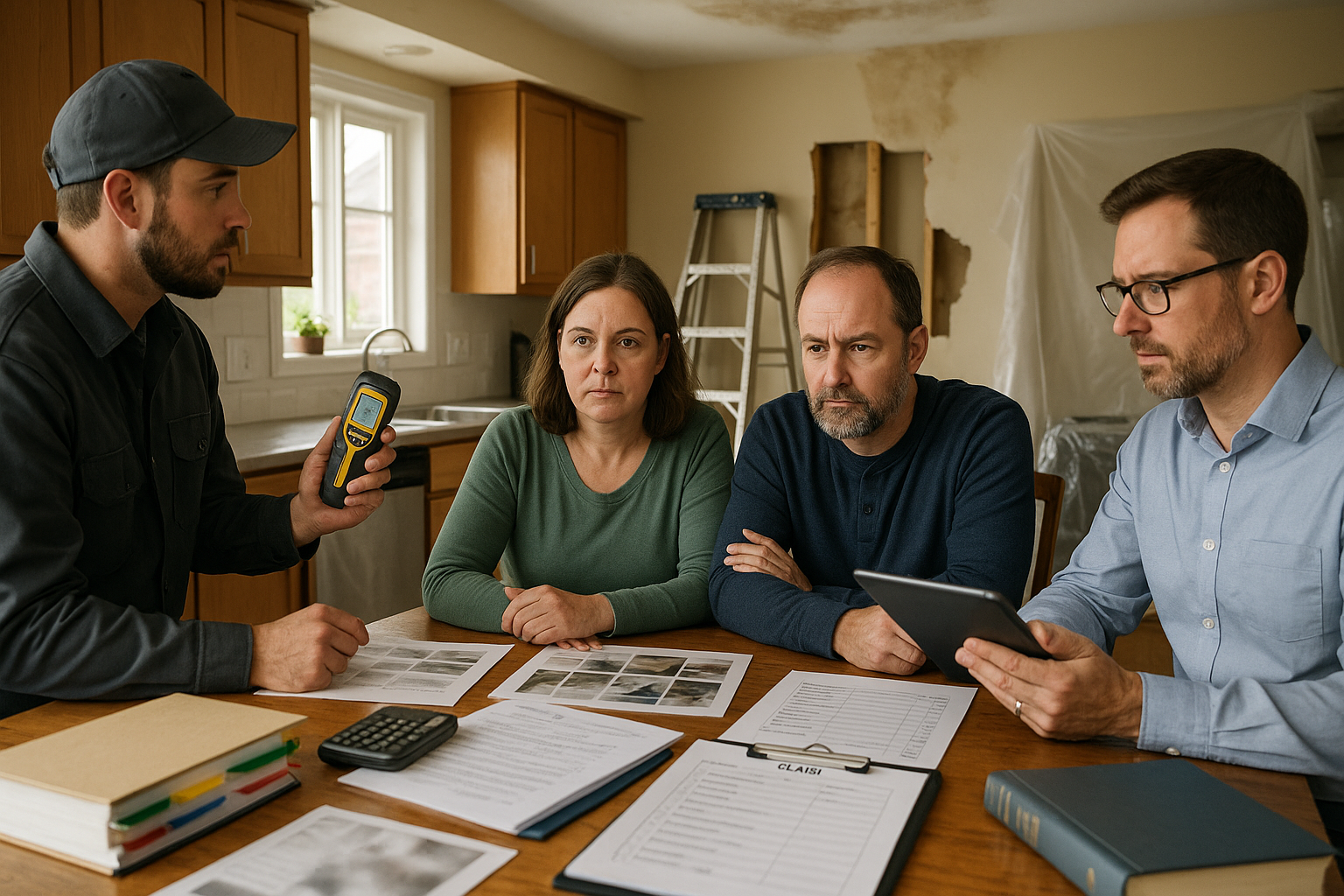

Underpaid Home Insurance Claims: A Practical Path to Disputing Your Payout
If your home insurance payout feels too low, you are not alone. Underpayments happen for many reasons: missed damage, rushed inspections, confusing policy language, or estimates that don’t match real-world repair costs. The good news is that you can challenge the outcome with a clear, organized approach. This article outlines practical steps to help you prepare, present, and persist through a dispute so you can pursue a fair outcome based on your policy and your documented loss.
For a deeper walk-through with examples and templates, explore our Insurance Claim Dispute guide, which expands on these steps and shows you how to structure a strong request for review. You can find it here: Insurance Claim Dispute.
Why Underpayments Happen (And What That Means for You)
Insurance adjusters often work quickly across many claims. When time is tight, important details can be missed or priced too low, especially for complex losses. Common causes of underpayment include:
- Hidden or secondary damage that wasn’t visible at the first inspection
- Outdated price lists that don’t reflect current labor or material costs
- Code-required upgrades or matching that weren’t considered in the estimate
- Misapplied deductibles, depreciation, or coverage limits
- Confusion about what is covered under your specific policy forms and endorsements
Understanding these patterns helps you focus your dispute on facts and documentation rather than feelings, which is the key to moving your claim forward.
Early Signs Your Claim May Be Underpaid
It may be time to dig deeper if you notice any of the following:
- Your contractor’s bid is substantially higher than the insurer’s estimate for the same scope
- Line items for tear-out, debris removal, or permits are missing
- Only surface repairs were approved when water, smoke, or structural issues likely traveled farther
- You see depreciation that seems excessive or not clearly explained
- There’s no consideration for matching undamaged materials where uniform appearance is reasonable
Your Dispute Roadmap: Step-by-Step
A strong dispute is built on organization, evidence, and clarity. Here’s a practical approach you can use:
- Collect your claim file materials:
- Policy and declarations page
- The insurer’s estimate(s), payment summaries, and correspondence
- Photos, videos, and measurements of damage
- Repair bids or scope sheets from licensed contractors
- Receipts for temporary repairs or mitigation
- Any reports from inspectors, roofers, or restoration vendors
- Compare scopes, line by line:
- Match each room and component from the insurer’s estimate to your contractor’s scope
- Highlight missing tasks like sealing, priming, underlayment, venting, or code-required elements
- Note material grade differences that affect price (e.g., 30-year vs. 50-year shingles)
- Check pricing and quantities:
- Verify labor rates and material costs with current local pricing
- Confirm waste factors and coverage for trim, baseboards, and finishing
- Ensure realistic drywall, texture, matching, and paint allowances
- Organize your evidence:
- Label photos by room and angle; add short captions
- Attach contractor letterhead estimates with detailed line items
- Include invoices or proof of payment for emergency work
- Draft a clear, courteous cover letter:
- Summarize what happened, what was paid, and why you believe the amount is short
- List key differences between estimates with page and line references
- Request specific next steps: reinspection, desk review, or estimate revision
How to Read the Estimate Like a Pro
Claim estimates can look technical, but a systematic review helps you spot gaps quickly:
- Scope completeness: Does each affected room have demo, prep, repair, finish, and cleanup?
- Labor assumptions: Are specialized trades (e.g., electricians, roofers) correctly accounted for?
- Materials and quality: Do line items reflect the same grade and brand you previously had?
- Code and permits: Are necessary code upgrades, permit fees, and inspections included?
- Access and complexity: Is time for moving contents, protecting surfaces, or scaffolding included?
When you find gaps, mark them and cross-reference your contractor’s scope. A side-by-side comparison, even if informal, is persuasive.
Requesting a Reinspection or Desk Review
When you’re ready to ask for a second look, keep your request focused and factual:
- Provide your cover letter and attachments in a single, clearly labeled email or packet
- Ask for a reinspection if new or hidden damage is at issue; request a desk review if the concern is pricing or missing line items
- Offer access to contractors or specialists who can be available during the reinspection
- Stay polite, concise, and responsive to questions; keep a simple log of dates and calls
If your policy includes an appraisal provision for disagreements about the amount of loss, you can ask your adjuster where to find that language in your policy. Understanding your options helps you plan next steps, even if you’re just seeking a cooperative revision.
Working With Contractors and Specialists
Independent professionals can strengthen your file when appropriate:
- Contractors can provide detailed, locally priced repair scopes and photos
- Roofers can document hail or wind impacts, underlayment issues, and ventilation needs
- Mitigation firms can validate moisture, mold risk, and the need for proper dry-out
- Inspectors or engineers can explain structural or code-related concerns
Ask providers to include line-item detail, material specs, and notes on code requirements. The more specific the documentation, the easier it is for an adjuster to update an estimate.
Common Insurer Responses—and How to Prepare
As you pursue a dispute, you might hear:
- “We don’t pay for upgrades.” Response: Provide code references from your contractor if repairs require updated materials or methods to meet current standards.
- “We only cover direct damage.” Response: Explain how hidden or adjacent repairs are necessary to complete the covered work safely and uniformly.
- “Your estimate is too high.” Response: Share current local pricing, supplier quotes, and photos showing complexity or access challenges.
- “Matching is cosmetic.” Response: Document how mismatched materials affect uniform appearance when a full area is typically treated as a set (for example, continuous flooring or a roof slope).
The goal is not to argue, but to close the gap between what was priced and what is reasonably required to restore the property.
Timing, Payments, and Documentation Tips
- Keep copies of everything: photos, emails, call notes, estimates, and receipts
- Notify your adjuster promptly when you discover additional damage
- If you receive partial payments, track what each check covers and any remaining items in dispute
- Ask the adjuster to clarify depreciation and how recoverable depreciation can be released after repairs
- Review your policy for any stated timelines to submit supplemental information or proof of loss
When to Escalate
If your evidence is strong and the response stalls, consider asking for:
- A supervisor review for a fresh set of eyes
- A reinspection with your contractor present
- Clarification of policy provisions relevant to the disputed items
Escalation works best when your request is specific, well-documented, and solution-oriented.
FAQ: Homeowners’ Most Common Questions
-
How many estimates should I get?
Two is often enough if they are detailed and come from reputable, licensed professionals. Focus on clarity and line-item detail over quantity.
-
Will disputing slow down my repairs?
It can, but timely communication and complete packets help. If health or safety issues exist, discuss temporary measures with your adjuster and document why they’re necessary.
-
Do I need to wait for the insurer to approve every step?
Policies usually require you to prevent further damage. Keep receipts, take photos before and after, and inform your adjuster about urgent mitigation.
-
Does a partial payment mean my claim is closed?
Not necessarily. Ask your adjuster to confirm the status in writing and identify what items remain open for review or supplementation.
-
What if new damage appears after I start repairs?
Notify the insurer right away, take photos, and request a supplemental review. Add the new items to your scope comparison.
-
Can matching be covered?
It depends on your policy and the circumstances. Provide photos showing how a partial repair would create a noticeable mismatch and ask your adjuster how the policy addresses uniform appearance.
Your Next Step
Disputing an underpaid claim is about clarity, documentation, and persistence. When you present a complete, well-organized file, you make it easier for the insurer to see the path to a fair revision. If you want help evaluating your situation and organizing what to send, you can check my claim to get started.