
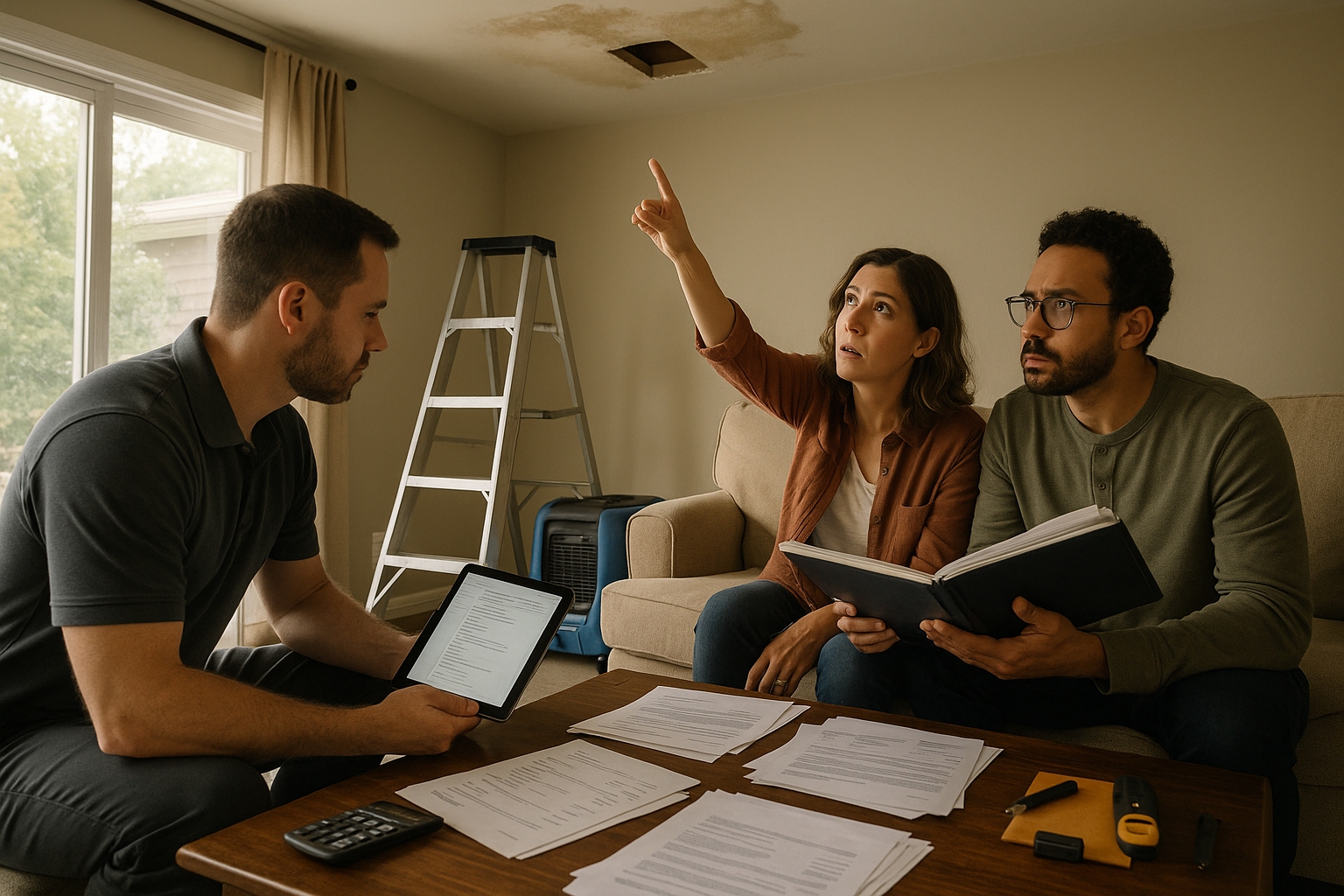
Was Your Insurance Claim Shortchanged? Steps to Dispute with Confidence
If your homeowner’s insurance payout feels too low for the damage you see, you are not alone. After storms, fires, leaks, and other losses, many homeowners receive initial estimates that miss items, undervalue materials, or omit necessary code upgrades. A lower-than-expected figure is frustrating, but it’s also fixable. With the right documentation and a clear process, you can request a supplemental review and push for a fair settlement that reflects the true scope and cost of repairs.
This article walks you through practical steps to spot underpayments, organize strong evidence, communicate effectively with your insurer, and keep your claim moving. The goal is to help you make a clear, fact-based case—without adding stress to an already stressful situation.
Early signs your settlement may be too low
Before you dispute, confirm whether the estimate genuinely falls short. Watch for these common red flags:
- Missing line items: Example: drywall is included, but texture, paint, or baseboards are not.
- Incorrect measurements: Roof squares, linear feet of fascia, or square footage that don’t match your property.
- Excessive depreciation: Especially on items that are not truly “worn” or that are partially damaged, creating a deeper cut to your actual cash value (ACV) payment.
- Overhead and profit omitted: Complex jobs needing multiple trades may warrant general contractor overhead and profit.
- Code compliance overlooked: No allowance for required upgrades, like electrical GFCI/AFCI, roofing underlayment, or ventilation that local code mandates.
- Permit and inspection fees missing: Many jurisdictions require permits and final inspections for structural, electrical, plumbing, and roofing work.
- Material grade mismatch: Estimate uses builder-grade materials when your home’s finishes are mid- or high-grade.
- Scope gaps: Water mitigation or mold remediation not fully included, or only “cleaning” listed where replacement is needed.
- Contractor bids higher across the board: If detailed contractor estimates consistently exceed the insurer’s scope, it’s a strong signal something’s off.
Gather proof that speaks the insurer’s language
A persuasive dispute is built on organized, objective documentation. Prioritize:
- Date-stamped photos and videos: Capture wide shots of each affected area, then close-ups of damaged components, including before-and-after if available.
- Detailed contractor estimates: Ask licensed contractors to provide itemized line items with quantities, material specs, and labor hours.
- Measurements and sketches: Simple diagrams showing room dimensions, linear feet, roof squares, or elevation details help settle quantity debates quickly.
- Building code references: Provide citations from your local code or city/county website that require specific repairs or upgrades.
- Receipts and invoices: Include temporary repairs, mitigation, debris removal, lodging (if covered), and any materials already purchased.
- Mitigation logs: If a mitigation company was used, request the full dry-out report, moisture maps, and daily readings.
- Communication log: Keep a dated record of calls, emails, and texts with your adjuster and vendors.
Insurers typically rely on standardized pricing platforms and defined scopes. The clearer your evidence aligns with quantities, materials, and code requirements, the easier it is for a desk adjuster to approve supplements.
Compare apples to apples: make your estimate review simple
Lay your documents side by side: the carrier’s estimate, your contractor’s bid(s), and your photos. Then:
- Match line items: Create a short list of the top differences by room or system (roof, exterior, kitchen, bath, etc.).
- Verify quantities: Check square footage, linear footage, and count of fixtures or components.
- Check material grade: Confirm finishes (e.g., solid wood vs. MDF, tile grade, shingle type, window brand/series).
- Identify missing steps: Surface prep, removal/disposal, protection of adjacent areas, masking, texturing, sealing, and final cleanup often get overlooked.
- Flag required permits and inspections: Include a brief note and any fee schedule from your municipality if available.
When you contact your adjuster, focus on specific, measurable differences. For example: “The carrier’s estimate includes 12 squares for roofing, but our roof is 16 squares per the attached sketch and satellite report. Please review and update quantities.” Clear, concise requests get faster traction.
Request a reinspection and a supplemental payment
Once your evidence is in order, ask your insurer for a reinspection or supplemental review. Here’s a simple structure:
- Cover note or email: Include your claim number, property address, a brief summary of what’s missing or underestimated, and your preferred contact times.
- Attachments: Contractor estimates, photos, measurements, code citations, and any permits or fee schedules.
- Prioritize by impact: Lead with the largest dollar or scope variances (roof quantities, code upgrades, cabinet replacement vs. repair).
- Invite collaboration: Offer access to your contractor to discuss scope, pricing, and installation requirements.
During reinspection, walk the property with the adjuster or field representative. Ask clarifying questions, point out hidden or secondary damage (for example, moisture wicking up walls or damaged subflooring beneath vinyl), and note any agreements in writing after the visit.
When to escalate inside the carrier
If your supplemental request stalls, escalate methodically:
- Follow up with the desk adjuster: Reference prior calls and emails, and ask for a status update and expected timeline.
- Request a supervisor review: Provide a concise, bullet-style list of unresolved items with evidence attached.
- Ask about internal dispute options: Some carriers offer a second-look team or quality review for complex claims.
- Check your policy for appraisal provisions: Some policies include an appraisal process for disagreements about price and scope of repairs. Review your policy terms to understand whether this option exists and what it covers.
Throughout, keep communications professional and solution-focused. Adjusters manage heavy caseloads; the easier you make it to verify facts and update line items, the faster you typically see movement.
Protect your timeline and keep files clean
Claims have time-sensitive steps. While specifics vary by policy and location, it helps to:
- Calendar key dates: Date of loss, first notice of loss, estimate receipt, and any stated response deadlines.
- Respond quickly: Acknowledge requests within one business day, even if you need more time to gather documents.
- Confirm agreements in writing: Summarize calls with a short email recapping what was discussed and next steps.
- Store everything: Keep one folder with your policy, estimates, photos, invoices, code references, and correspondence.
When you want expert structure and templates
If you’d like a deeper walkthrough of the dispute process, sample language for supplement requests, and a checklist you can follow, explore our in-depth resource here: Insurance Claim Dispute guide. It’s designed to help homeowners build clear, well-documented requests that get noticed.
Get a quick, no-pressure review
Not sure where to start or whether your claim is truly underpaid? You can request a quick look to gauge the strength of your dispute package and identify high-impact gaps. Use this link to begin: Check My Claim.
FAQ
How long do I have to dispute an insurance claim?
Timelines vary by policy and location. Review your policy documents—especially any sections addressing claim deadlines—and act promptly. The sooner you raise scope or pricing issues, the smoother the process tends to be.
Will disputing my estimate delay payment?
Insurers can often release the undisputed portion while reviewing supplemental items. Ask your adjuster to issue what’s already agreed upon and continue the review on remaining differences.
Do I need multiple contractor bids?
One detailed, itemized bid can be effective if it includes quantities, materials, and labor specifics. In complex claims, a second bid may help confirm pricing and scope.
What if code upgrades aren’t included?
Provide your local code citations and any permit requirements. If your policy includes coverage for ordinance or law, those documents help justify necessary upgrades tied to compliance.
My adjuster measured less damage than my contractor. What now?
Share your contractor’s measurements, sketches, and photos, and request a reinspection. Ask the adjuster to walk the areas in question and reconcile quantities line by line.
Can I continue repairs while disputing?
Temporary repairs to prevent further damage are typically encouraged. For permanent work, coordinate with your adjuster so scope and pricing are documented and eligible for reimbursement per your policy terms.
The bottom line
A lower-than-expected estimate is not the end of the story. By focusing on clear quantities, accurate materials, mandatory code requirements, and well-organized documentation, you can present a strong, professional case for a supplemental payment. Stay courteous, keep excellent records, and escalate within the carrier when needed. And if you want step-by-step structure as you work through it, be sure to use the resource above—and consider a quick review to validate your next move using this link: Check My Claim.