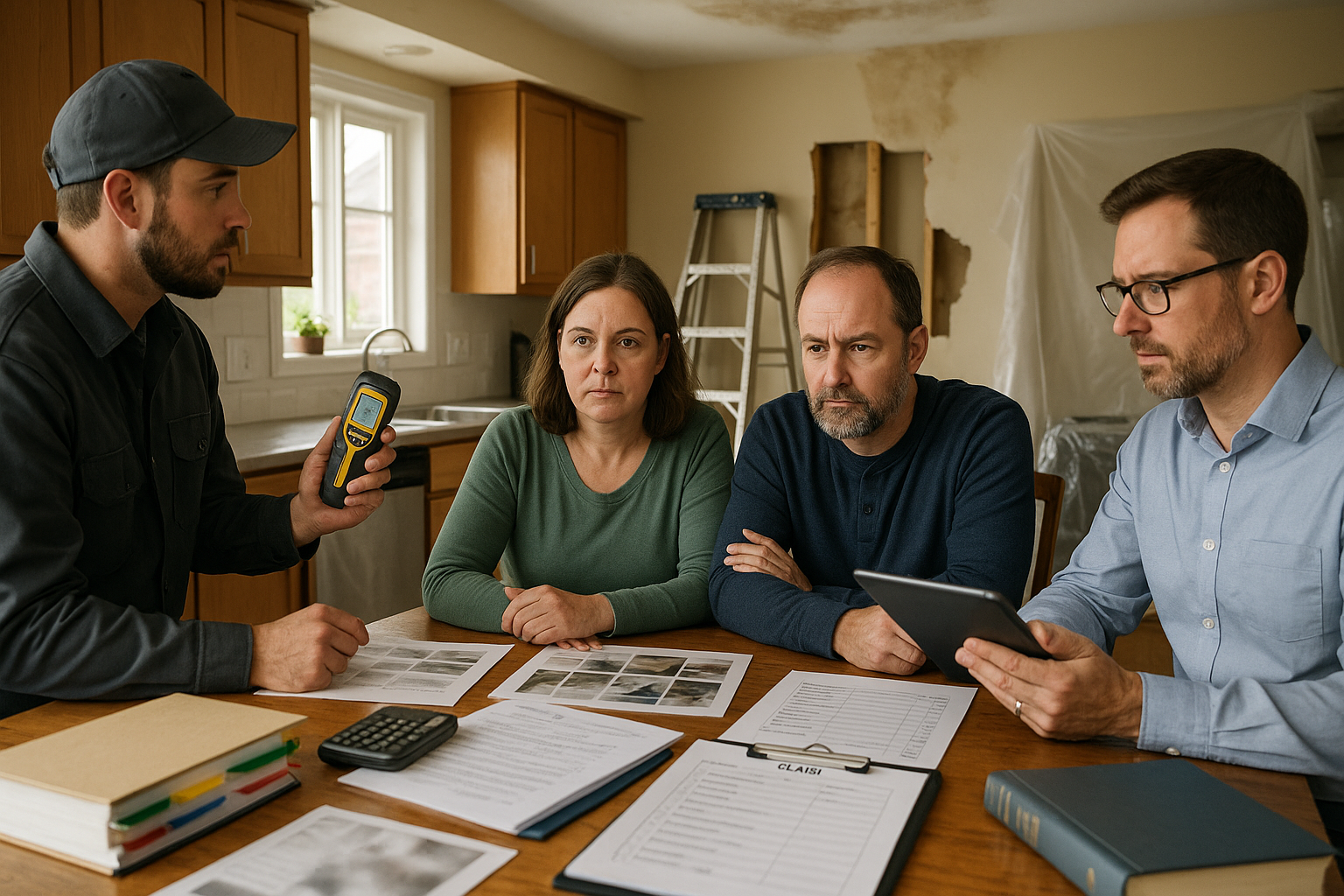

Signs Your Insurance Claim Is Shortchanging You—and What To Do Next
After a storm, leak, or unexpected disaster, filing a claim should help you get back to normal. Yet many homeowners discover their initial payment doesn’t come close to covering repairs. If your estimate feels light or confusing, you’re not alone. Underpaid claims are common, and most shortfalls trace back to fixable issues: missing line items, low pricing, or misapplied policy rules. The good news is that a careful review and a structured dispute can often unlock the coverage you’re owed.
Why Underpaid Claims Happen More Often Than You Think
Insurers process large volumes of losses quickly, and that speed can create gaps. Common causes include:
- Missed scope: Entire tasks are left off the estimate, like permits, debris removal, code-required upgrades, or content cleaning.
- Inaccurate measurements: Square footage, linear feet, or roof facets may be underestimated, reducing material and labor.
- Unit pricing too low: Material and labor rates might not reflect local market costs or current supply constraints.
- Improper depreciation: Wear-and-tear reductions may be higher than justified, especially on items with long useful lives.
- Patch-and-paint assumptions: Estimates that repair small areas when full replacement is required for a uniform finish or matching.
- Overlooked related damage: Secondary issues like moisture intrusion, insulation replacement, or attic remediation get ignored.
Spotting these patterns early can make the difference between a partial fix and a full, code-compliant restoration.
How to Audit Your Estimate Line by Line
You don’t need specialized software to do a solid first pass. Start with a simple checklist:
- Match rooms to rooms: For each affected space, confirm all damaged surfaces are listed (ceilings, walls, floors, trim, fixtures).
- Verify measurements: Compare dimensions in the estimate to your own measurements or contractor sketches.
- Look for missing trades: If water ran from upstairs to downstairs, were drywall, insulation, electrical, and flooring all addressed?
- Check material grades: Ensure the quality level (shingle type, flooring class, paint finish) matches what you had or the policy requires.
- Review line item logic: Does prep include masking, protection, and cleanup? Are disposal and haul-away included?
- Scan unit prices: Ask local contractors for ballpark pricing to see if labor and materials are in the right range for your area.
- Confirm code compliance: If repairs trigger local code upgrades, those costs should be included if your policy provides Ordinance or Law coverage.
As you find issues, create a simple “variance list” showing what’s missing, why it’s needed, and any proof you have. This becomes the backbone of your dispute.
Evidence That Strengthens Your Position
The best disputes are built on clear documentation. Gather:
- Photos and videos: Capture wide shots for context and close-ups for detail, including pre-mitigation and post-mitigation images.
- Contractor opinions: Written scopes or bids from licensed contractors that itemize materials, labor, and code requirements.
- Invoices and receipts: For emergency mitigation (drying, tarping), temporary housing, or materials you purchased.
- Building code references: If a contractor cites code, ask them to reference the specific section and include it in writing.
- Moisture maps or reports: If water was involved, drying logs and moisture readings show the true extent of impact.
- Personal property lists: For damaged contents, include item descriptions, age, brand/model, and replacement prices.
Organize files by room or trade and label them clearly. When everything is easy to follow, adjusters can validate and approve more quickly.
Communicating With Your Insurer Without Burning Bridges
Polite persistence works. Consider this approach:
- Request a walkthrough: Ask for a reinspection where you can point out missed items with your contractor present.
- Share your variance list: Pair each requested change with photos, measurements, and a brief rationale.
- Be specific, not emotional: “The estimate shows 120 sq ft of tile; the bathroom measures 165 sq ft. See attached sketch.”
- Ask questions: “Can you help me understand how depreciation was calculated on this item? I believe its useful life is longer.”
- Keep everything in writing: Follow phone calls with a summary email to build a clear record.
Most underpayments resolve at this stage, especially when your request is organized and supported. If not, there are structured paths to escalate.
Escalation Paths When You’re Stuck
If you’re not making progress, consider these options commonly outlined in policies:
- Supervisor review: Ask for a fresh set of eyes on your file and provide a concise summary of the dispute points.
- Reinspection with specialists: For roofs, HVAC, or structural concerns, request an inspection by a field specialist.
- Appraisal clause: Many policies include an appraisal process to resolve disputes over the amount of loss. Read your policy section on Appraisal for steps and timelines.
- State complaint process: Your state’s insurance department often allows consumers to file a complaint if communication or handling stalls.
Each path has requirements and timelines. Review your policy carefully so you don’t miss any deadlines while you continue repairs.
Timing, Depreciation, and Recoverable Amounts
Many policies pay Actual Cash Value (ACV) first and hold back Recoverable Depreciation until repairs are completed. Keep in mind:
- Proof of completion: Save invoices, proof of payment, and photos to recover depreciation.
- Supplement requests: If a contractor finds hidden damage (like subfloor rot under tile), submit supplements promptly with photos and a change order.
- Temporary repairs: Protect your property from further damage and keep receipts for reimbursement.
These steps can significantly increase your final payout, especially on larger losses where depreciation and supplements make up a meaningful share of the total.
Get Step-by-Step Help and a Second Look
If you want a deeper walkthrough of the dispute process, templates, and what to expect at each stage, explore our in-depth insurance claim dispute guide. It expands on documentation checklists, negotiation tips, and practical ways to correct under-scoped repairs without overcomplicating the process.
Practical Checklist to Start Today
- Read your estimate once for scope and again for pricing; highlight anything that looks thin or missing.
- Measure key areas and compare to the estimate; note differences in a simple table.
- Request at least one detailed contractor bid that matches your repair plan.
- Create a folder with photos labeled by room and date; include any code references.
- Email your adjuster with three to five top discrepancies and ask for a reinspection or revision.
- Track deadlines in your policy for submitting supplements, proofs of loss, or appraisal requests.
Small, focused steps add up. Even a single corrected line item—like full-area repainting for a uniform finish—can shift thousands of dollars back into your repair budget.
FAQ: Quick Answers to Common Dispute Questions
-
How long do I have to dispute my claim?
Timelines vary by policy and state. Check sections related to Proof of Loss, Appraisal, and Suit or Action. Start your review as soon as you receive the estimate to avoid missing any cutoff dates.
-
Will disputing delay my repairs?
Not necessarily. You can proceed with temporary or approved repairs while continuing to supplement your claim. Keep detailed records to recover any additional amounts later.
-
Can I accept the initial payment and still dispute?
Yes. Initial ACV payments are common. You can seek additional funds through supplements or recoverable depreciation when you document the true repair costs.
-
What if my contractor’s price is higher than the insurer’s estimate?
Provide a detailed, line-by-line scope from the contractor. Insurers often revise estimates when presented with clear measurements, photos, and market-appropriate pricing.
-
Do I need multiple estimates?
One thorough, well-documented bid is often more persuasive than several vague ones. If the first bid isn’t detailed, ask the contractor to break it down.
-
What is depreciation, and can I recover it?
Depreciation accounts for age and wear. If your policy includes Replacement Cost Value (RCV), you can usually recover depreciation after repairs are completed and documented.
Ready for a Fast, No-Pressure Review?
If your estimate feels light or you just want a second opinion, a quick review can surface the biggest gaps and show you where to focus first. It’s simple to get started: check my claim and see what might be missing from your payout.
Underpaid claims don’t have to be the end of your story. With a clear plan, organized evidence, and respectful communication, many homeowners recover the funds needed to repair their homes the right way the first time.